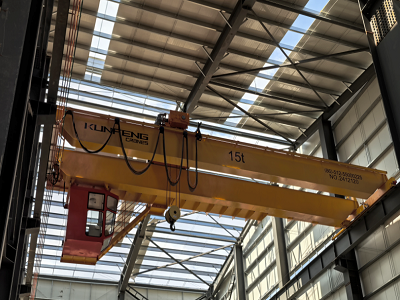
The Importance of Load Turning Device in Automobile Production Lines
Load turning device can achieve precise rotating and positioning of vehicle frames and chassis on automobile production lines, reducing the intensity of manual handling and safety hazards, and improving production efficiency.
In the automotive manufacturing industry, load turning device has become an indispensable core piece of equipment on the production line. The rotator device not only support heavy components such as engines and car bodies, but also perform precise rotation and positioning operations, meeting the stringent requirements of various complex processes and directly impacting product quality and production efficiency.
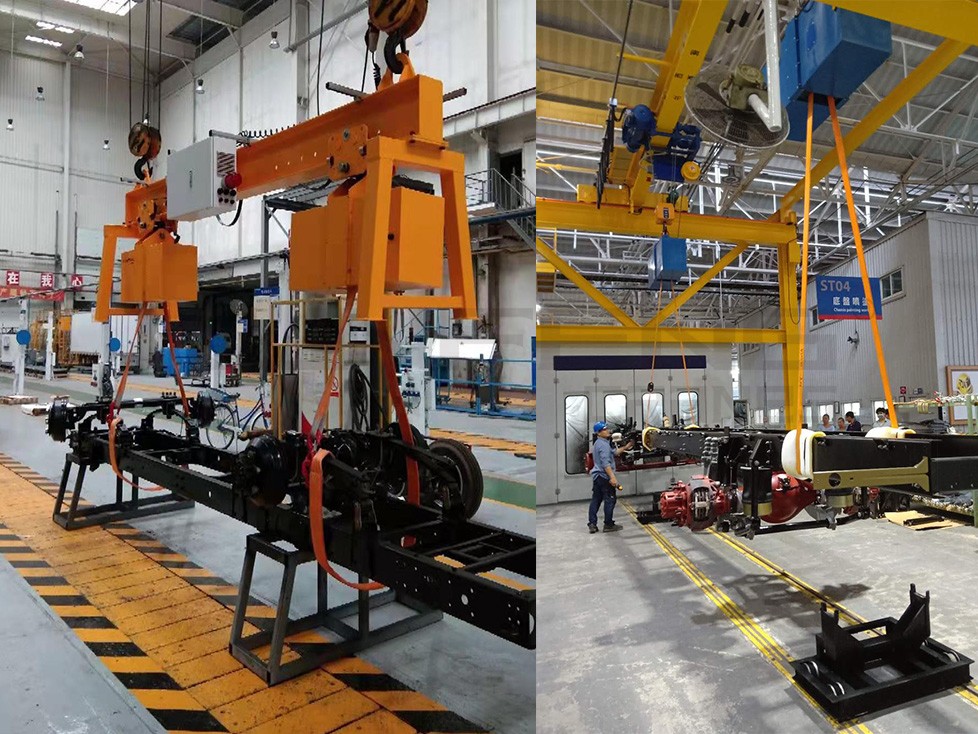
Why Are Load Turning Devices Important in Automotive Production Lines
Ensuring process consistency: The repeatability of rotating angles and positions directly affects the quality of subsequent assembly, spot welding or inspection.
Increasing production line cycle time: Automated turning is faster and more stable than manual tilting, avoiding time wasted on human waiting and alignment.
Protecting workpieces: Flexible belt type force distribution prevents damage to the coating of the car body or chassis, or scratches on parts.
Easy integration with lifting equipment: Can be suspended on overhead cranes, facilitating lifting and rotating at different workstations within the workshop.
Quality improvement: Precise angle control and torque feedback reduce assembly errors and rework caused by inaccurate turning.
Cost savings: Reduced labor costs, lower scrap and rework rates, significantly reducing the unit product manufacturing cost in the long run.
Applications of Load Turning System in the Automotive Industry
Sheet metal part turning and stamping part inspection
Chassis assembly angle assembly
Pre-painting inspection
Welding and cutting at different locations on the chassis
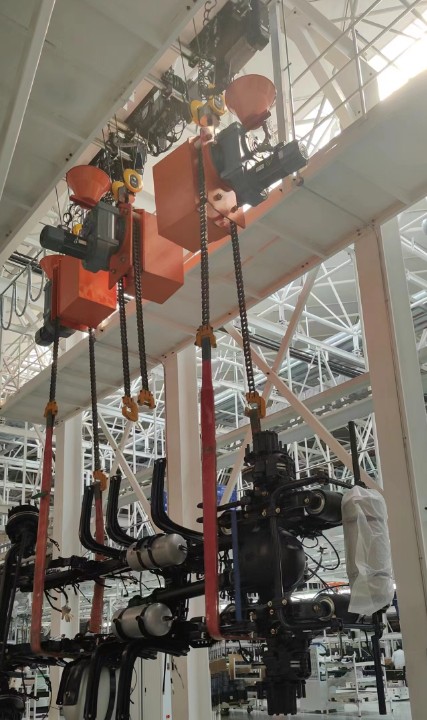
Installation and Commissioning Recommendations
First, conduct no-load and light-load tests, gradually increasing to the rated load and recording the data.
Adjust the appropriate turning posture to prevent workpiece slippage.
Perform multiple cycle durability tests to verify the reliability of the limit and alarm logic.
Selecting high performance, customized load turning solution can meet the requirements of different vehicle models and manufacturing processes, helping automotive manufacturers create a safer and more efficient production environment. Contact our technical team today for professional support and customized quotations.
Popular Products
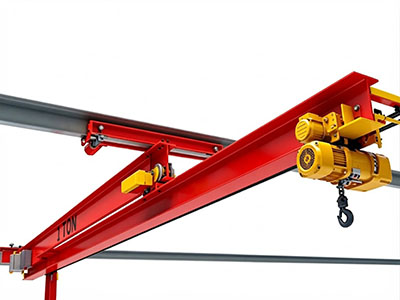
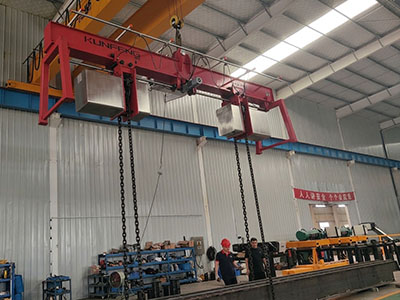
Chain Rotating Machine for Stamping Die Handling
Load Turning Device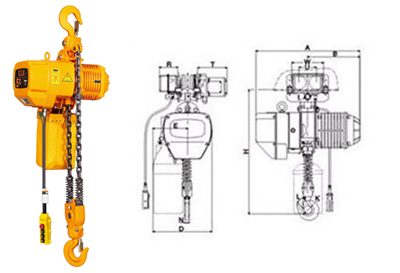
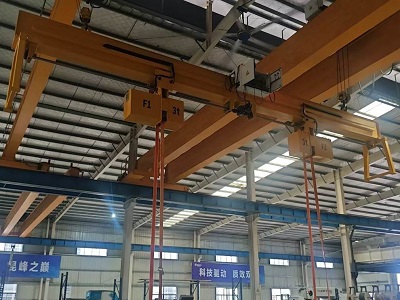
H-Beam Rotating Equipment for Steel Fabrication
Load Turning Device